🔑 Key Takeaways
- Plan meals and make a strict budget grocery list before shopping.
- Hunt for cheap vegetables in wholesale markets and local mandis in India.
- Buy staples like rice, dal, and onions in bulk from ethnic stores.
- Use student discounts, apps, and cashback for extra savings.
- Prep simple meals in batches to avoid waste and overspending.
Listen, if you’re a student in India hunting for grocery shopping tips save money India, I’ve got your back. I’ve been there, scraping by on pocket money while trying not to live on instant noodles.
Why Grocery Bills Hit Students Hard in India
Hostel life or PG means tiny budgets and big temptations. Veggie prices spike, and fancy apps lure you into impulse buys. But you can slash costs without starving.
Start with basics: track what you spend now. Most blow it on snacks and ready-mixes that cost double.
Real talk – poor planning wastes 30% of your cash. Time to fix that.
Step 1: Build Your Budget Grocery List Like a Pro
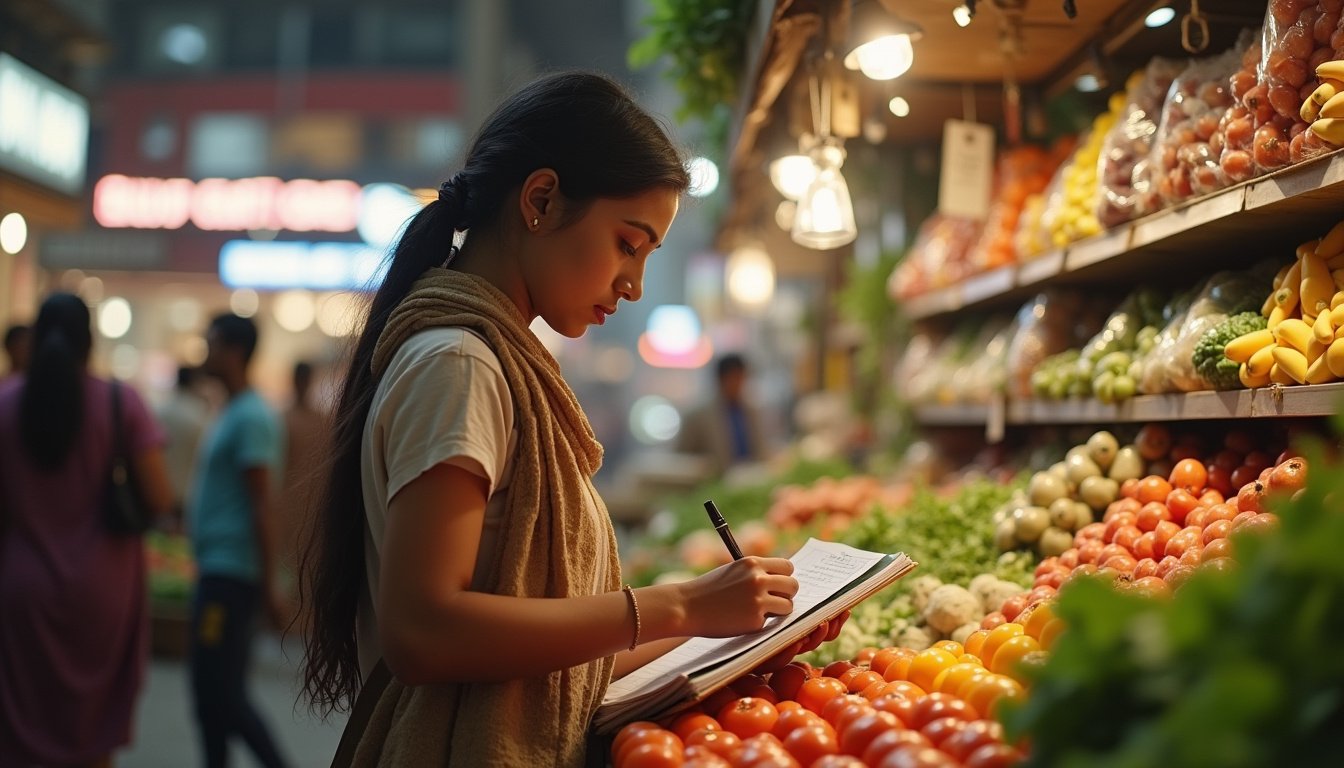
First, grab a notebook. List what you eat daily. Rice, dal, potatoes – staples that stretch far.
Plan 7 days ahead. Breakfast: oats or poha. Lunch: dal-chawal. Dinner: sabzi-roti. No fluff.
Check your pantry first. Avoid doubles. This alone cuts waste big time.
Sample Budget Grocery List for Students
Here’s mine for ₹500/week:
- Rice: 2kg
- Dal: 1kg
- Potatoes/onions: 2kg each
- Cheap veggies: 1kg tomatoes, cabbage
- Eggs: 6
- Bread/milk: basics
Step 2: Hunt Cheap Vegetables in India
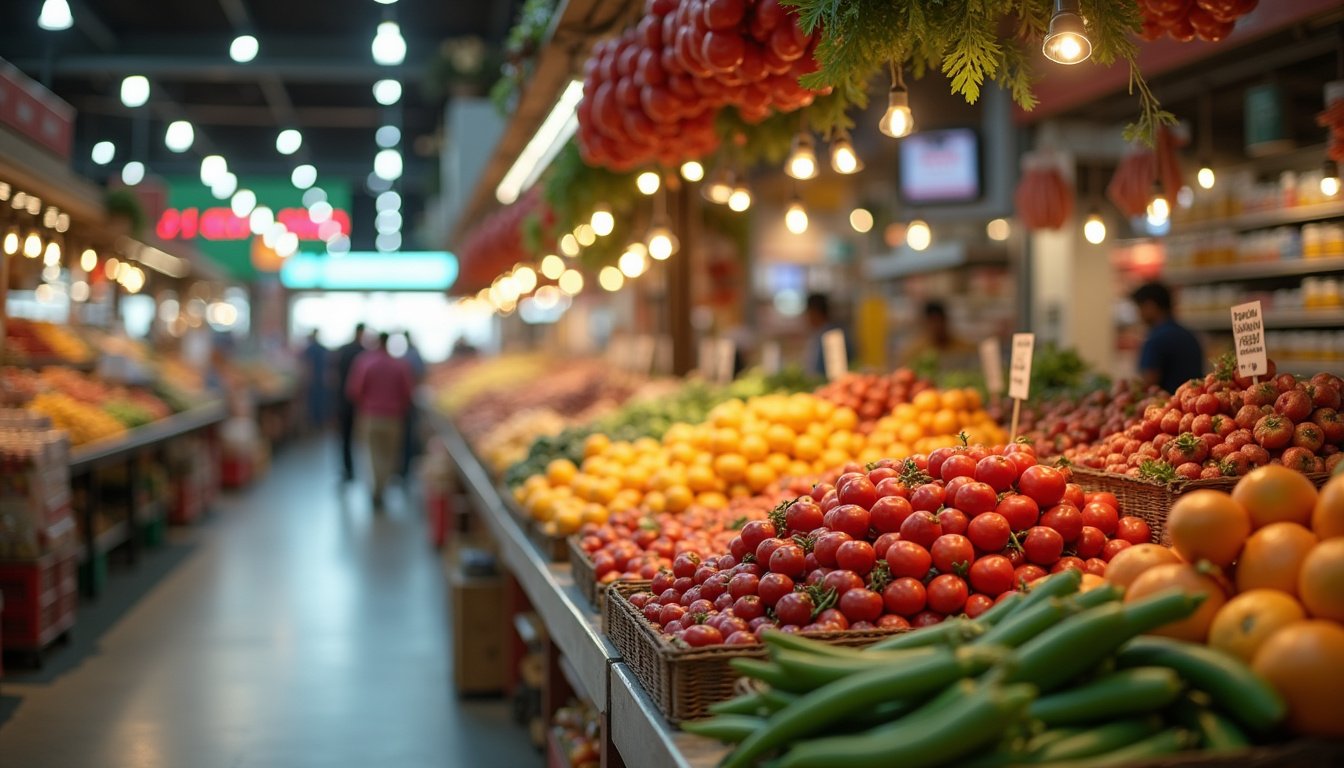
Skip fancy supermarkets. Hit local mandis or wholesale markets early morning. Veggies 30-50% cheaper there.
Seasonal picks: monsoon means cheap bhindi, winter cauliflower. Ask vendors for student deals – they hook you up.
Pro tip: buy loose, not packed. Weigh yourself. Tomatoes at ₹20/kg vs ₹40 in stores? Easy win.
Where to Shop Smart: Supermarkets vs Wholesale vs Local
Compare spots to save max. Here’s a quick table:
| Place | Pros | Cons | Best For |
|---|---|---|---|
| Wholesale Mandis | Cheapest veggies, fresh | Early rise needed | Bulk produce |
| Local Kirana | Credit options, staples cheap | Limited variety | Dal, rice |
| BigBasket/D-Mart | Apps, discounts, delivery | Higher prices | Deals, non-perishables |
Step 3: Master Bulk Buys and Wholesale Markets
Rice, atta, spices – buy wholesale. 5kg rice at ₹50/kg beats retail ₹70.
Asian/Indian ethnic stores for dal under ₹100/kg. Stock up non-perishables only.
More From This Category
Warning: small family? Don’t overbuy perishables. Waste kills budgets.
Step 4: Grocery Saving Tips Students India Love
Apps first: BigBasket, Blinkit for flash sales. Student discounts via UNiDAYS or store cards.
- Cash only – no card swipes on junk.
- Evening shops: wilting produce at half price.
- Free membership cards for cashback.
- Check unit price: smaller packs trick you.
Student Meal Prep Hacks
Batch cook Sundays: boil dal, chop veggies. Portion into boxes. Saves time, gas, money.
One-pot meals: khichdi with cheap veggies. Add eggs for protein punch.
Freeze onions, ginger-garlic paste. Zero waste.
Bonus: Avoid These Rookie Mistakes
No list? You’re doomed. Impulse buys add 20% to bills.
Skip packaged snacks. Homemade poha mixes cheaper, healthier.
Shop hungry – biggest trap. Eat first, save loads.
Track and Tweak Your Wins
Week 1: ₹600 spend. Week 4: ₹400. Adjust as you go.
Share lists with roommates. Bulk split saves more.
Stick to these grocery shopping tips save money India and you’ll eat well without breaking the bank. Start today – your wallet will thank you. I’ve slashed my bill by half; you can too.
Frequently Asked Questions
What’s the cheapest time to buy vegetables in India?
Early mornings at mandis or evenings at stores for discounted near-expiry produce.
How do students get discounts on groceries?
Use apps like BigBasket for student deals, free loyalty cards, and cashback offers.
Best budget staples for Indian students?
Rice, dal, potatoes, onions, seasonal veggies, and eggs – versatile and cheap.
How to avoid food waste on tight budget?
Meal prep in batches, buy only what you need, and freeze extras smartly.
Are wholesale markets worth it for singles?
Yes for non-perishables; stick to small quantities for veggies to prevent spoilage.