🔑 Key Takeaways
- 58% of Amazon India sellers become profitable within their first year, but most fail due to poor product research and inadequate fee planning
- Amazon India has 400,000 active sellers competing for attention – success requires understanding the Buy Box algorithm and optimising listings
- New sellers must budget for 30-40% in combined fees (referral, closing, FBA) before calculating actual profit margins
- The Great Indian Festival data shows 750 sellers crossed ₹1 crore in sales by leveraging fee waivers and referral programmes strategically
- Beginner sellers who use FBA, invest in A+ Content, and focus on niche products with lower competition see 3-4x faster growth
Why Most Amazon India Sellers Fail and Exactly How to Start Successfully as Beginner
I’ll be direct with you: most people who start selling on Amazon India fail within their first year. Not because the platform doesn’t work – it absolutely does – but because they ignore the fundamentals. I’m going to show you exactly why sellers fail and how you can start successfully, even as a complete beginner learning how to sell on Amazon India beginner.
The Brutal Truth About Amazon India Seller Failure
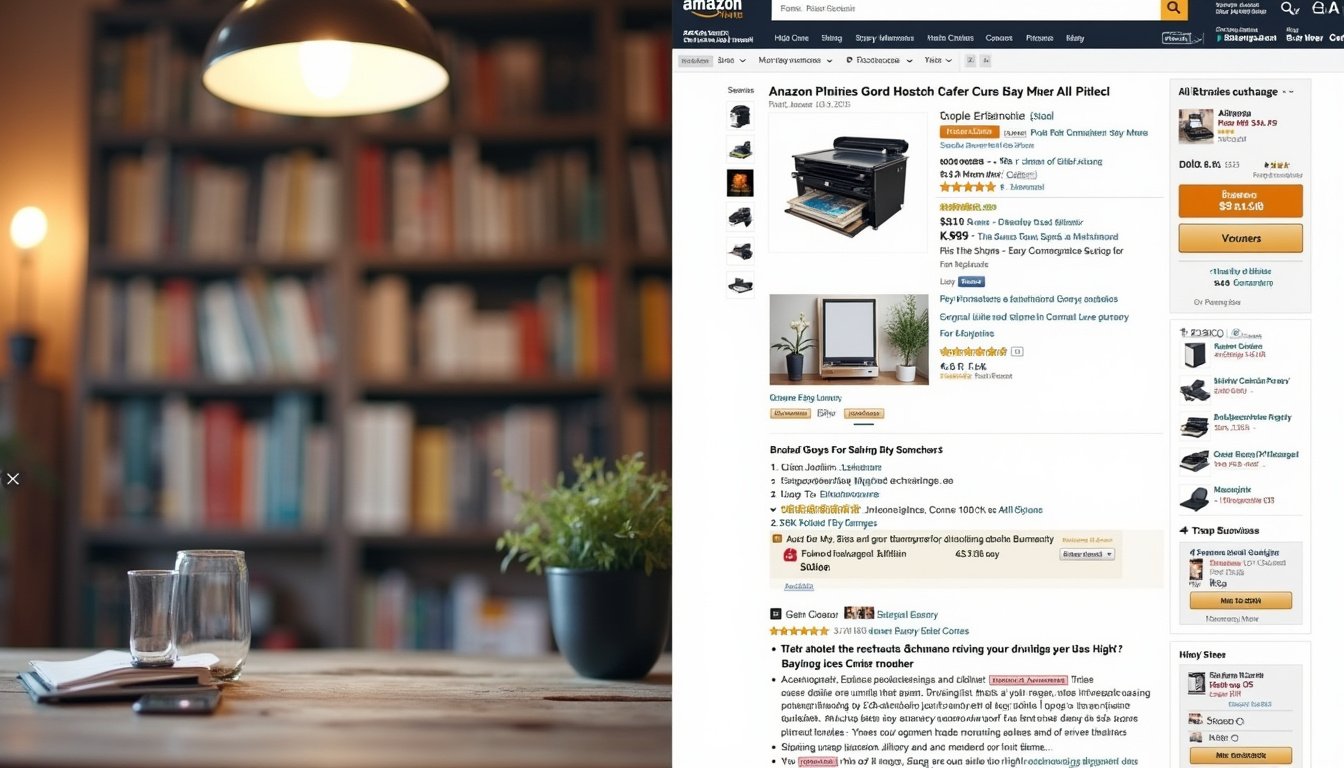
Let’s start with the numbers. Out of 400,000 active sellers on Amazon India, roughly 42% never turn a profit in their first year. That’s not a small number. The reason? Most beginners underestimate three things: competition, fees, and the learning curve.
Amazon India sellers face a 30-40% fee structure that includes referral fees, closing fees, and FBA charges. If you’re selling a product for ₹1,000 and don’t account for these fees upfront, you’re already losing money before you factor in product costs, advertising, and returns.
The second mistake is product selection. Beginners choose saturated categories where they can’t compete. They see electronics or apparel and think it’s easy. It’s not. The Buy Box – which drives 82-90% of all Amazon sales – goes to sellers with the best combination of price, rating, and shipping speed. If you’re new, you won’t have the ratings yet.
Why the Buy Box Matters More Than You Think
Here’s what most beginners don’t understand: even if your product listing is perfect, you might not make sales if you don’t win the Buy Box. Most sellers report average Buy Box percentages between 2-5%, whilst top performers hit 15% or higher.
The Buy Box algorithm favours sellers with strong seller metrics, competitive pricing, and fast shipping. As a beginner, you’ll start with zero ratings and zero history. That’s a disadvantage you need to overcome strategically.
Successful sellers on Amazon India – like Ravi from Surat who now does ₹78 lakhs monthly in ethnic wear – didn’t start in competitive categories. They found niches where they could build a foundation, get early reviews, and then scale.
The Real Cost of Selling on Amazon India: Your Fee Breakdown
| Fee Type | Percentage/Cost | Example (₹1,000 Sale) |
|---|---|---|
| Referral Fee | 8-45% (category dependent) | ₹80-450 |
| Closing Fee | ₹0-2 per unit | ₹0-2 |
| FBA Fees (if used) | ₹40-150 per unit | ₹40-150 |
| Advertising (recommended) | 15-20% of revenue | ₹150-200 |
| Total Cost | 30-40% minimum | ₹300-400 |
That ₹1,000 sale? You’re left with ₹600-700 before product costs, packaging, and returns. This is why margin planning is non-negotiable from day one.
How Successful Sellers Start: The Beginner’s Blueprint
Let me show you how this actually works. During Amazon India’s Great Indian Festival, 750 sellers crossed ₹1 crore in sales. What did they do differently? They leveraged fee waivers, used referral programmes, and focused on specific seller cohorts with less competition.
New sellers got fee waivers and 50% fee reductions during the festival. But more importantly, they participated in programmes like Launchpad (for innovative brands) and Karigar (for traditional artisans). These programmes reduce competition and give you visibility without needing massive advertising budgets.
The data shows 38-40% of startups in Launchpad doubled their sales. Why? Because they were selling innovative products in a curated, lower-competition environment. That’s the beginner advantage you need to exploit.
Step-by-Step: How to Register and Start Successfully
- Choose your niche first – find a category with 5,000-20,000 monthly searches and fewer than 500 active listings
- Register for an Amazon seller account with your PAN, GST (if applicable), and bank details
- Decide between FBA (Fulfillment by Amazon) or self-shipping – FBA costs more but wins Buy Box more often
- Create 5-10 SKUs (product variants) instead of just one – this reduces risk and tests the market
- Budget 15-20% of projected revenue for advertising from day one
- Aim for a net margin of 15-25% after all fees – anything less isn’t sustainable
- Use A+ Content from the start – sellers using this see measurably higher conversion rates
- Enrol in Subscribe & Save if applicable – over 20% of eligible products are now enrolled, driving repeat purchases
The Profitability Timeline: What to Expect
Roughly 58% of Amazon sellers report profitability within their first 12 months. But here’s the catch – that doesn’t mean they’re making good money. The median annual revenue for FBA sellers is ₹35,000 (approximately), whilst the average is ₹1,60,000. The difference between median and average tells you that most sellers are struggling.
However, 25% of sellers generate over ₹1,00,000 in annual revenue. Those sellers have one thing in common: they planned their fees upfront, chose the right niche, and reinvested profits into advertising and inventory.
Your first 90 days should focus on getting 20-30 reviews and establishing a seller rating above 4.5 stars. Don’t chase sales during this period – chase reviews. Once you have social proof, the Buy Box becomes easier to win.
More From This Category
Common Beginner Mistakes That Kill Sellers
- Underestimating fees – they’ll destroy your margins if you’re not careful
- Starting with too many SKUs – focus on 3-5 products and master them first
- Ignoring competitor pricing – check prices daily and adjust accordingly
- Not using FBA – 82% of successful sellers use FBA because it wins the Buy Box
- Skipping A+ Content – this single feature increases conversion rates significantly
- Launching in saturated categories – pick a niche where you can actually compete
- Not budgeting for returns – assume 5-10% of sales will be returned
Your Action Plan for the Next 30 Days
Week 1: Research three niches using Helium 10 or Jungle Scout. Find categories with 10,000+ monthly searches but fewer than 1,000 active listings. Calculate the exact fees you’ll pay.
Week 2: Register your Amazon seller account. Prepare your product images, descriptions, and pricing strategy. Remember – your first listing is a test, not your final product.
Week 3: Source your first batch of inventory. Order 50-100 units if using FBA, or 200-300 if self-shipping. Test the market with a lower price to get initial reviews.
Week 4: Launch your first listing. Run Amazon advertising at 10-15% of your projected revenue. Focus on getting reviews, not profits, in month one.
Why FBA Matters for Beginners (And When It Doesn’t)
FBA sellers win the Buy Box more often, get Prime eligibility, and handle customer service through Amazon. But FBA costs more. The question is: does the extra revenue justify the extra cost?
For most beginners, yes. FBA sellers have 95% on-time delivery rates, which builds trust. Plus, 65% of top-earning Amazon sellers use FBA as their primary method. If you’re serious about scaling, FBA is worth it.
However, if you’re selling bulky items, low-margin products, or testing a new niche, self-shipping might make sense initially. Just know you’ll struggle to win the Buy Box without FBA.
The Mindset Shift You Need to Make
Most beginners see Amazon as a quick money machine. It’s not. It’s a business that requires planning, testing, and iteration. The sellers who succeed – like those 750 who crossed ₹1 crore during the Great Indian Festival – treat it like a real business from day one.
They plan their fees. They research their niches. They budget for advertising. They track their metrics. And they’re willing to lose money in months 1-3 to build a sustainable business in months 4-12.
If you’re not willing to do that, Amazon isn’t for you. But if you are, and you follow this blueprint, you’ll be in the 58% who turn a profit in year one – and potentially in the 25% who generate real income. That’s how to sell on Amazon India beginner and succeed where most fail.
Starting on Amazon India as a beginner isn’t about luck – it’s about understanding the game before you play it. You now know why most sellers fail (fee blindness and poor niche selection), how the Buy Box actually works, and the exact blueprint to start successfully. The 400,000 active sellers on Amazon India aren’t all succeeding equally. The ones who do are the ones who planned their fees, chose their niches strategically, and treated their Amazon business like a real business from day one. Your next move is simple: pick your niche this week, register your account, and launch your first listing with a realistic 90-day plan focused on reviews, not revenue. That’s how you become one of the sellers who actually makes money on Amazon India.
Frequently Asked Questions
How much does it cost to start selling on Amazon India?
You’ll need approximately ₹5,000-₹50,000 to start, depending on your product category and inventory size. This covers registration (free), product sourcing, initial inventory, packaging, and a 30-day advertising budget. Budget an additional 30-40% of your projected revenue for Amazon fees.
Can I start with just one product?
Technically yes, but I don’t recommend it. Start with 3-5 SKUs (product variants) in the same niche. This reduces risk and gives you data to understand what customers actually want. One product means one point of failure.
How long before I make my first sale?
Most sellers get their first sale within 5-15 days if they’re using FBA and running advertising. Without advertising, it could take 30-60 days. The key is having competitive pricing, good images, and a clear product description.
Is FBA worth the extra cost for beginners?
Yes, for most beginners. FBA costs more but wins the Buy Box more often, handles customer service, and gives you Prime eligibility. 65% of top earners use FBA. The extra revenue usually justifies the extra cost.
What’s the realistic profit margin I should target?
Target 15-25% net margin after all fees. That means on a ₹1,000 sale with 35% in fees, you need a product cost of ₹400-600 to hit your target. Anything less than 15% isn’t sustainable long-term.

Related Post

Why Most Amazon India Sellers Fail and Exactly How to Start Successfully as Beginner

How to Earn Money from Meesho Without Initial Investment Even If You Are Broke

How Much Can You Actually Earn on Chegg India Without Experience in Two Thousand Twenty Six