🔑 Key Takeaways
- 52-week savings challenge can help you save ₹13,780 annually with minimal effort
- Digital rounding apps like Jupiter and Paytm Money automate spare change savings to ₹3,000+ monthly
- Home-cooked meals and DIY routines cut costs by thousands yearly compared to salon and restaurant visits
- Budget cutback challenges targeting 10% reduction in discretionary spending redirect significant funds to savings
- Combining multiple hacks creates compound savings effect reaching ₹10,000+ yearly without lifestyle sacrifice
Money Saving Hacks in India That Actually Work for Beginners
I’ve found that most people think saving money means suffering through a miserable budget. That’s nonsense. Money saving hacks in India work best when they’re simple, automatic, and don’t feel like punishment. I’m going to show you exactly how beginners can save ₹10,000 yearly using practical strategies that fit into normal life.
The beauty of these hacks is they compound. Start with one, add another next month, and suddenly you’re looking at serious money saved without even thinking about it. Let me break down the best ones I’ve tested.

1. The 52-Week Money Saving Hacks Challenge
This is the simplest hack to start with. You save ₹10 in week one, ₹20 in week two, ₹30 in week three, and so on. By the end of 52 weeks, you’ll have saved ₹13,780. That’s nearly ₹14,000 from doing almost nothing.
The reason this works is psychological. The amount increases so gradually you barely notice it. By week 50, you’re saving ₹500 weekly, but you’ve already built the habit. I recommend setting up a separate savings account just for this challenge so you can’t accidentally spend it.
2. Automate Spare Change with UPI Apps
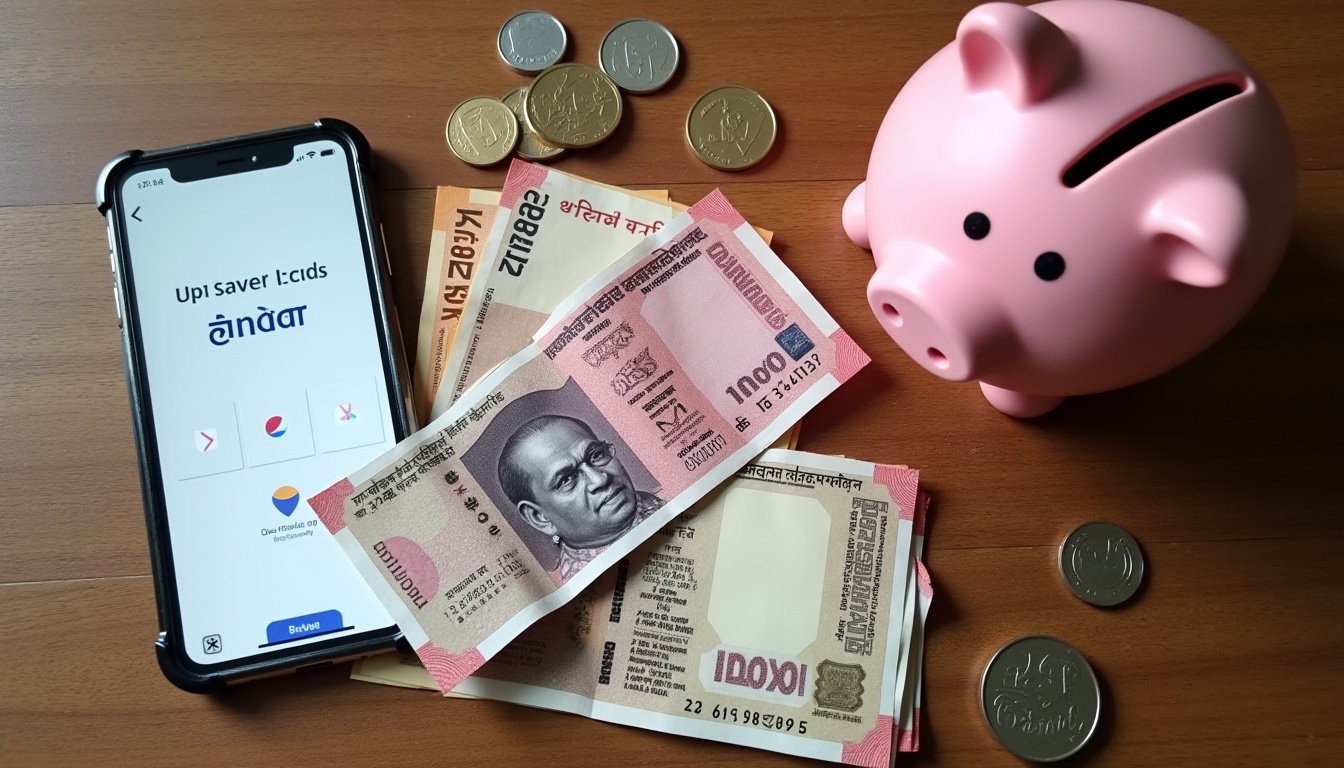
Here’s where technology actually saves you money. Apps like Jupiter and Paytm Money round up your UPI transactions to the nearest ₹100 and shift the balance into savings automatically. You spend ₹47 on coffee, it rounds to ₹100, and ₹53 goes straight to your savings account.
Over a month, if you make 20 transactions, that’s roughly ₹1,000 saved without touching your main budget. Do this for a year and you’ve got ₹12,000 in spare change alone. The best part? You don’t have to think about it.
3. Cut Grocery Bills with Smart Shopping Hacks
I used to waste money buying everything at supermarkets. Then I learned the real hack: buy daily essentials like vegetables and fruits at your local market, not big retail chains. You’ll save 30-40% on produce immediately.
Add bulk purchasing to this. Buy rice, dal, and dry goods in bulk at wholesale prices. Plan your meals for the week before shopping so you don’t buy things you won’t use. These three moves alone save most families ₹2,000-3,000 monthly on groceries.
4. Slash Electricity Bills with Simple Changes
Switch to LED lighting and energy-efficient appliances. Clean your AC filters monthly so it doesn’t work harder than necessary. Use fans and window shades instead of cranking the AC to arctic levels. These aren’t revolutionary, but they work.
I’ve seen families cut electricity bills by ₹500-1,000 monthly just by implementing these changes. Over a year, that’s ₹6,000-12,000 saved. Some state governments even offer financial assistance for solar panel installation, which compounds savings further.
5. The Weekly ₹500 Envelope Challenge
Put ₹500 in an envelope every week. Label it with a specific goal: vacation, emergency fund, new phone. By year’s end, you’ve got ₹26,000. The visual method makes it real in a way that abstract numbers don’t.
Families can do this together, making it a collective savings pool. Everyone contributes ₹500 weekly, and suddenly you’re building a safety net that actually feels achievable. This hack works because you see the money growing physically.
6. Stop Dining Out and Cook at Home
Here’s the brutal truth: eating out costs 3-5 times more than cooking at home. A ₹50 dosa from a street vendor becomes ₹200 at a restaurant. A coffee that costs ₹30 to make at home costs ₹150 at a café.
I’m not saying never eat out. I’m saying reduce frequency. If you eat out 10 times monthly and cut it to 2 times, you’ve saved ₹1,500-2,000 monthly. That’s ₹18,000-24,000 yearly. Plus, you eat healthier because you control the ingredients.
More From This Category
7. DIY Personal Care Instead of Salons
A salon pedicure costs ₹300-500. You can do it at home for ₹50 in supplies. A haircut costs ₹200-400 at a salon versus ₹0 if you learn basic trimming or visit a local barber.
I’m not suggesting you become a stylist. I’m suggesting simple routines like at-home pedicures, basic grooming, and visiting budget barbers instead of premium salons. This saves ₹1,000-2,000 monthly for many people.
8. Budget Cutback Challenge: Cut 10% From One Category Monthly
Pick one spending category—entertainment, mobile recharges, subscriptions, or dining. Cut it by 10%. Redirect that amount to savings. Do this for 12 months with different categories, and you’ve fundamentally restructured your spending.
Month one, cut entertainment by 10%. Month two, cut subscriptions by 10%. By month twelve, you’ve reduced spending across the board without feeling deprived. Use a savings tracker to monitor this. You’ll be shocked how much you find.
9. Leverage Credit Card Cashback and Deals
Used responsibly, credit cards earn cashback on groceries, dining, and online shopping. HSBC and other banks offer instant discounts on electronics. Online stores give new customers 10% off just for signing up.
The hack is using incognito mode when shopping online to access new customer deals repeatedly. Compare prices, set up price alerts, and hunt for promo codes before buying anything. This saves ₹500-1,000 monthly on discretionary purchases.
10. Plan Errands Efficiently to Reduce Fuel Costs
Instead of making multiple trips for shopping, bills, and errands, plan one efficient route and do everything in one go. This reduces fuel consumption, saves time, and cuts wear and tear on your vehicle.
If you make 10 trips monthly and consolidate to 2 trips, you save ₹300-500 on petrol alone. Over a year, that’s ₹3,600-6,000. It sounds small, but these small hacks stack into real money.
Comparison Table: Annual Savings by Hack
| Money Saving Hack | Monthly Savings | Annual Savings |
|---|---|---|
| 52-Week Challenge | ₹1,148 | ₹13,780 |
| UPI Rounding Apps | ₹1,000 | ₹12,000 |
| Smart Grocery Shopping | ₹2,500 | ₹30,000 |
| Electricity Bill Reduction | ₹750 | ₹9,000 |
| Weekly Envelope Challenge | ₹2,167 | ₹26,000 |
| Home Cooking vs Dining Out | ₹1,500 | ₹18,000 |
| DIY Personal Care | ₹1,000 | ₹12,000 |
| Budget Cutback Challenge | ₹800 | ₹9,600 |
| Credit Card Cashback | ₹600 | ₹7,200 |
| Efficient Errand Planning | ₹350 | ₹4,200 |
How to Stack These Money Saving Hacks for Maximum Impact
The real power isn’t in any single hack. It’s in combining them. Start with the 52-week challenge and UPI rounding. That’s ₹25,000 saved in year one with minimal effort. Add smart grocery shopping and home cooking, and you’re at ₹73,000.
By month three, you’ll have built momentum. Add the envelope challenge, DIY personal care, and electricity cuts. Suddenly you’re saving ₹100,000+ yearly. The key is starting small, building habits, then stacking more hacks as the first ones become automatic.
I recommend tracking everything in a simple spreadsheet. Watch the numbers grow. That dopamine hit of seeing real progress is what keeps you going. After six months, these hacks stop feeling like sacrifices and become your normal spending pattern.
Money Saving Hacks in India: Your Action Plan
The ₹10,000 yearly target isn’t a ceiling—it’s a floor. Most people who implement these money saving hacks in India end up saving ₹20,000-50,000 yearly. The difference between struggling financially and building real wealth often comes down to these small, consistent hacks that compound over time.
Final Thoughts on Money Saving Hacks in India
I started this by saying saving money doesn’t mean suffering. These 10 money saving hacks in India prove it. None of them require you to stop living. None of them demand extreme discipline or sacrifice. They’re just smarter ways of doing what you’re already doing.
The ₹10,000 yearly target is achievable within 30 days if you implement three hacks simultaneously. By year’s end, you’ll have built a savings habit that lasts decades. That’s the real win—not the money saved this year, but the financial foundation you’re building for every year after.
Pick one hack today. Just one. Then watch how quickly it becomes second nature, and how naturally the next hack follows. That’s how ordinary people build extraordinary financial resilience using simple money saving hacks in India.
Frequently Asked Questions
Can I really save ₹10,000 yearly with these hacks?
Yes. The 52-week challenge alone saves ₹13,780. Add UPI rounding (₹12,000) and you’re already at ₹25,000. These are conservative estimates. Most people save significantly more once they combine multiple hacks.
Which hack should beginners start with?
Start with the 52-week challenge because it requires zero willpower and works automatically. Then add a UPI rounding app in week two. These two hacks alone generate ₹25,000+ yearly with minimal effort.
Do I need to sacrifice my lifestyle to save money?
No. These hacks work within your existing lifestyle. You’re still eating, still buying groceries, still using electricity. You’re just doing it smarter. The goal is efficiency, not deprivation.
How long before I see results?
You’ll see results immediately. The 52-week challenge shows ₹10 saved week one. UPI rounding saves money on your first transaction. Most people notice real progress within 30 days.
What if I can’t stick to all 10 hacks?
You don’t need all 10. Pick three and master them. Most people find that once three hacks become automatic, adding more happens naturally. Quality consistency beats perfect complexity.
Are these hacks specific to India or can anyone use them?
Most are universal, but the rupee amounts and specific apps (Jupiter, Paytm) are India-specific. The principles—automation, smart shopping, efficiency—work anywhere. Adjust amounts for your currency.