🔑 Key Takeaways
- Most beginners fail choosing savings accounts by ignoring interest rates and fees.
- Hunt for high APY but match access to your needs.
- Compare accounts across banks for the best deals.
- Watch out for savings account fees that eat your profits.
- Always check FSCS protection up to £120,000.
Why Most Beginners Fail at Choosing Savings Accounts and Exactly How to Fix It
Why Beginners Keep Screwing Up Choosing Savings Accounts
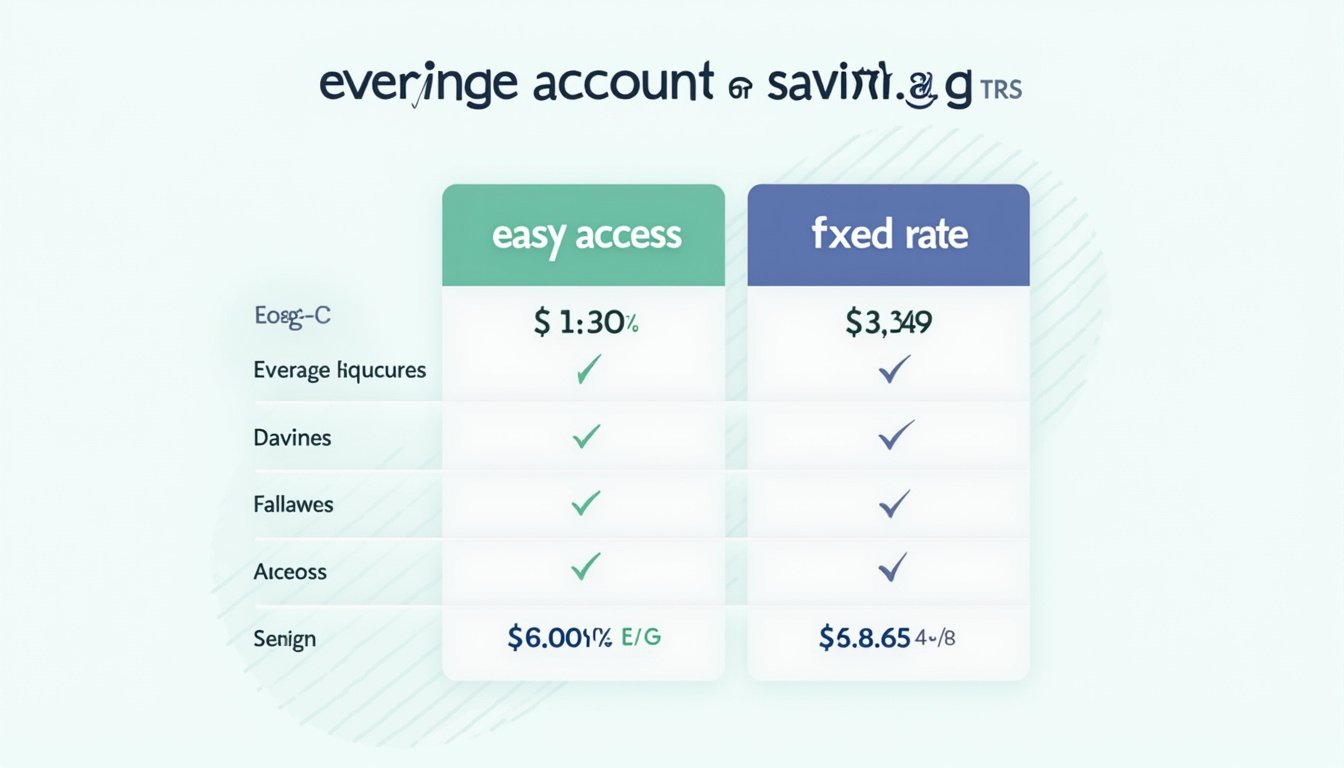
Choosing savings accounts sounds simple, but most beginners fail choosing savings accounts because they chase shiny ads without a plan. They grab the first high interest rate they see, only to get hit with fees or lock-ins that kill their returns.
I see it all the time: mates open accounts with no access, then panic when they need cash. Or they ignore variable rates that drop overnight. It’s a rookie trap.
The fix? Know your goals first. Short-term emergency fund? Go easy access. Long-term growth? Lock it in a fixed-rate deal. Simple as that.
The Big Mistakes Beginners Make
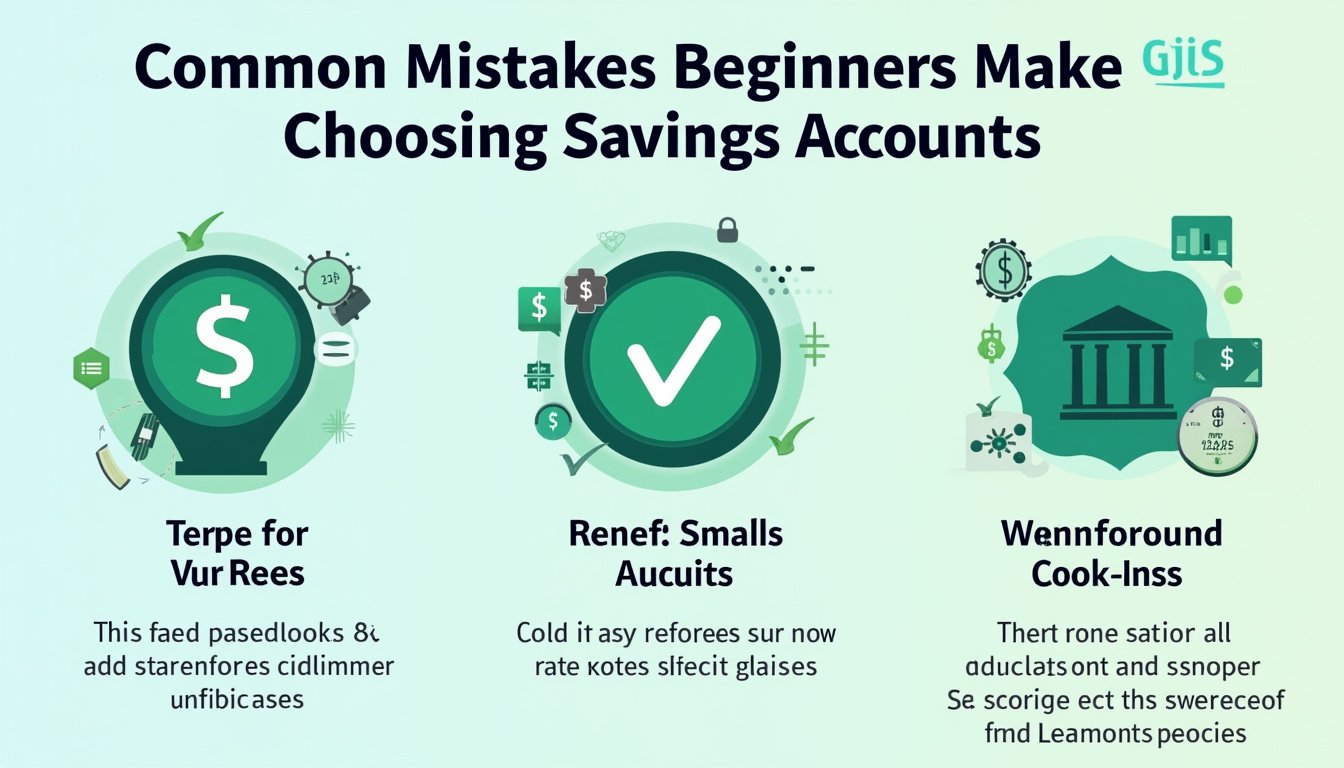
Beginners fail choosing savings accounts by overlooking basics like access and fees. They think higher interest means better, but forget penalties for withdrawals.
Another killer: not comparing accounts. Sticking to your high street bank often means rubbish rates. Challenger banks smash them.
And tax? Many skip ISAs, paying unnecessary tax on interest. With £20,000 allowance, it’s free money left on the table.
Common Pitfalls to Dodge
- Savings account fees that nibble your balance monthly.
- Bonus rates that vanish after 6 months.
- No FSCS protection – your money’s at risk over £120,000.
- Minimum deposits you can’t hit, so no interest paid.
Types of Savings Accounts Explained for Beginners
Easy access lets you dip in anytime, perfect for emergencies. Rates are lower but flexible.
Fixed-rate bonds lock your cash for 1-5 years at a set high APY. Great if you won’t touch it.
Notice accounts need 30-60 days warning for withdrawals. Middle ground on rates and access.
Regular savers reward monthly deposits with top rates, but caps apply. ISAs keep interest tax-free up to £20,000.
How to Compare Accounts Like a Pro
To fix beginners failing at choosing savings accounts, start with your goals: how much access do you need? Hunt high APY but check the fine print.
Use comparison sites. Look beyond headline rates – factor in savings account fees, minimums, and bonus periods.
Check if rates are AER (annual equivalent rate) for fair apples-to-apples. And always verify bank choices with FSCS cover.
Savings Account Comparison Table
| Type | Access | Typical APY | Best For | Watch Out |
|---|---|---|---|---|
| Easy Access | Instant | 3-4% | Emergencies | Variable rates drop |
| Fixed Rate | Locked 1-5 yrs | 4-5% | Long-term | No early access |
| Notice | 30-90 days | 3.5-4.5% | Balanced | Penalties if early |
| Regular Saver | Limited | 5-8% | Monthly savers | Deposit caps |
| Cash ISA | Varies | 3-5% | Tax-free | £20k limit |
Step-by-Step Beginner Guide to Choosing Savings Accounts
Step 1: Decide your savings goal. Holiday in 6 months? Easy access. House deposit? Fixed or LISA with 25% bonus.
More From This Category
Step 2: Calculate how much you’ll save. Some need £1 min, others £10k. Match your budget.
Step 3: Compare high APY across bank choices. Prioritise AER over gross.
Pro Tips for Maximum Returns
- Switch accounts yearly for best rates – no penalty for easy access.
- Compare accounts on multiple sites for hidden gems.
- Grab Lifetime ISA if under 40 buying first home – free 25% top-up.
- Avoid accounts with high savings account fees or complex terms.
Step 4: Check eligibility – UK resident, 18+, sometimes current account needed.
Step 5: Open online in minutes. Track rates monthly and switch if better deals pop up.
Final Word: Stop Failing and Start Winning with Savings
There you have it – the exact blueprint so beginners stop failing at choosing savings accounts. Pick high APY, dodge fees, match access to life, and compare relentlessly.
Implement this today. Your future self will thank you when compound interest kicks in. Get out there and build that pot properly.
Frequently Asked Questions
What is a good APY for beginners?
Aim for at least 4-5% AER on easy access, higher on fixed. Rates change, so compare weekly.
Are savings account fees common?
Yes, but avoid them. Monthly charges or withdrawal penalties kill returns. Stick to fee-free.
Do I need FSCS protection?
Absolutely. Covers £85,000 wait no, up to £120,000 per person per bank. Check every provider.
What’s the difference between ISA and regular savings?
ISAs are tax-free up to £20,000. Regulars tax your interest over personal allowance.
Can I switch savings accounts easily?
Yes for easy access. No penalties. Fixed terms charge if early withdrawal.

Related Post

Why Most Amazon India Sellers Fail and Exactly How to Start Successfully as Beginner

How to Earn Money from Meesho Without Initial Investment Even If You Are Broke

How Much Can You Actually Earn on Chegg India Without Experience in Two Thousand Twenty Six